The nutrition community is made up of individuals with diverse experiences, perspectives, and ideas. This diversity is the fundamental strength of our professional society. Through this member spotlight series, we celebrate our diversity and the vast achievements made by our members in the field.
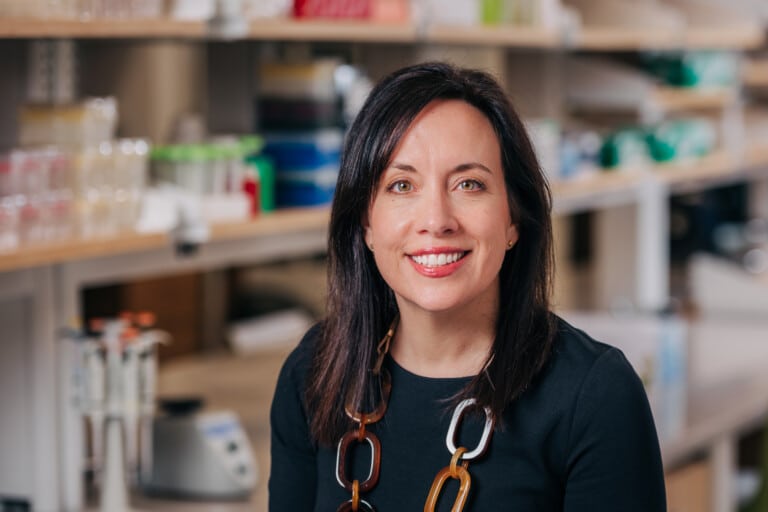
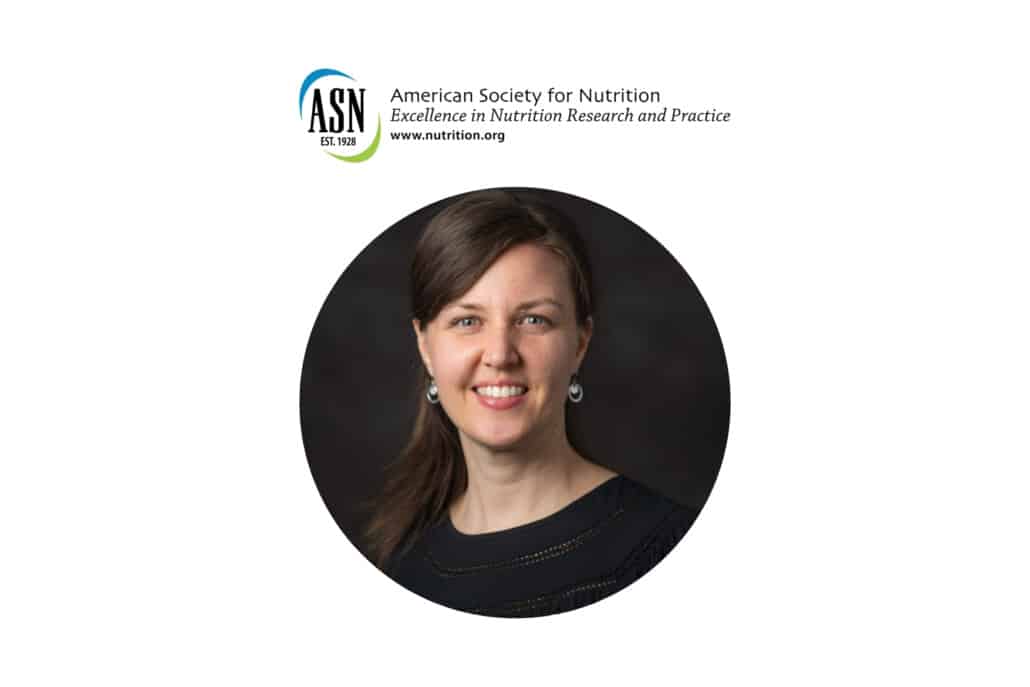
Get to know 2024 Top Reviewer for Advances in Nutrition: An International Review Journal, Dr. Kelly Cara, as she shares her journey from homemade Midwest meals to a distinguished role in nutrition science. In a conversation with ASN’s Member Engagement Coordinator, Sara Genell, Dr. Cara discusses how her initial interest for cooking evolved into a research career. Now a postdoctoral fellow with the American Cancer Society and Emory University, Dr. Cara reflects on how ASN’s mentorship, conferences, and peer review opportunities have shaped her career, fueling her research on healthy dietary patterns and their impact on lifelong health. Read our full interview below.

Sara Genell: Thank you, Dr. Cara, for participating in this Member Spotlight Interview. For those who haven’t met you, can you briefly introduce yourself and share what sparked your interest in nutrition science?
Dr. Kelly Cara: I grew up in the Midwest and was fortunate to be in a family where most of my meals were homemade. Cooking and baking were always an interest of mine, but I knew little about nutrition. When I began working on a master’s degree in experimental psychology, my mentor handed me my first book about nutrition. Gradually, my research interests shifted from psychological well-being to physical well-being, and nutrition was at the forefront. A decade later, I attended the Tufts University Gerald J. and Dorothy R. Friedman School of Nutrition Science and Policy in Boston where I recently completed my PhD in nutrition epidemiology and data science. I am now serving as a postdoctoral fellow with the American Cancer Society’s Population Science Department and Emory University’s Winship Cancer Institute. My research goal is to help identify the attributes of healthy dietary patterns and to contribute to the growing field of evidence connecting dietary patterns to health maintenance and improved health outcomes over the life course.
Genell: Thank you for sharing the experiences that shaped your pathway to nutrition. I’m curious what led you to get involved with ASN? How has your career evolved through your membership?
Cara: I first learned about ASN in my program at the Friedman School where I heard several of my classmates and faculty talking about the annual conference (NUTRITION, ASN’s flagship annual meeting). I became a student member in the first year of my PhD program, which was at the beginning of the Covid pandemic. I virtually attended two annual meetings and had opportunities to present posters, but it was at my first in-person meeting in Boston two years ago where I really learned to maximize the networking and professional development benefits of ASN membership. In a room surrounded by experts in a field where I was aspiring to be an expert, I was both nervous and inspired to ask questions and engage with presenters and fellow attendees. Through these conferences, I have gained confidence in myself, learned about cutting edge nutrition research, and had opportunities to share my own contributions to our field. Serving as a peer reviewer for ASN journals has further evolved my career by honing my skills as a reviewer, strengthening my scientific literacy, and exposing me to fellow reviewers’ helpful comments and other authors’ interesting research.
Genell: I’m glad you’ve been able to gain so much from time spent at our annual meetings. I want to pivot a little bit, because I would be remiss if I did not mention your recent award of a 2024 Top Reviewer for Advances in Nutrition. Congratulations, this is a huge accomplishment! What motivates you to volunteer your time as a top reviewer?
Cara: Thank you! I was really surprised and honored to receive that award.To me, one of the most important things we researchers can offer each other is constructive criticism and honest, well-meaning feedback. Over the years, my writing and scientific pursuits have continued to improve due to the comments I have received from teachers, classmates, colleagues, and peer-reviewers. I was fortunate to be taught by my PhD mentor, Dr. Mei Chung, about the standards for systematic reviews outlined by the National Academies and Cochrane Handbook, and I apply these standards and metrics like the PRISMA reporting guidelines and AMSTAR 2 criteria to every peer-review I conduct. Having been on the receiving end of helpful commentary for decades, it is my honor and joy to now share what I have learned and to help others by offering my perspectives and insights.
Genell: Why is peer review crucial to advancing nutrition science?
Cara: Peer review has been and remains one of our best tools for upholding the honesty and integrity of our science and for ensuring that conclusions drawn accurately represent the research conducted. While our scientific understanding in this field is growing, it seems today that the public is still generally ill-informed about how nutrients, foods, and dietary patterns contribute to health and disease. Beyond that, there is a growing skepticism about the honesty and integrity of scientists and their published work. We therefore have a great duty to hold each other accountable through peer review so we can stand by our work with confidence and restore the confidence of those who read it.
Genell: Why is Advances in Nutrition an important journal to you? How do you feel it serves the nutrition community?
Cara: Advances in Nutrition is one of the most trustworthy journals publishing reviews in the field of nutrition. Systematic reviews are an incredibly important source of scientific evidence in the field of nutrition because they help identify consistencies, inconsistencies, and potentially important gaps in the literature. However, to be useful and informative, these reviews must be conducted according to current standards and must take into account the unique considerations and potential sources of bias that are specific to nutrition studies. A journal that is entirely focused on publishing reviews related to nutrition can better ensure the current standards are met and those special considerations are addressed. This is how Advances in Nutrition serves the nutrition community, and this journal operates under editors with expertise in both review methodology and their own areas of specialization. Based on comments I have received as a contributor and comments I have read from fellow peer-reviewers, I believe the feedback and critiques offered to authors contributing to this journal are top notch and well-informed. This results in a collection of stronger nutrition reviews and an improved understanding of what we know to date.
Genell: Lastly, what advice would you give to those looking to engage more with ASN journals, whether as reviewers or contributors?
Cara: It’s a good idea to familiarize yourself with a journal before signing up to be a peer-reviewer and before submitting your own manuscripts for potential publication. At the very least, I recommend pulling up recent articles that are aligned with your areas of interest to get a feel for what the journal is looking for and the quality of studies being published. Become a frequent reader of the journal; ASN members get access to ASN’s journal portfolio through their annual membership. This is the best way to know if you might be a good fit as a peer reviewer and whether your own work is a good fit for the journal. Before reviewing or contributing, I also suggest reading through the journal’s aims and scope and the author guidelines provided by the journal. This documentation can inform your peer review and will help you determine whether a manuscript is ready for publication. When in doubt, you can always reach out to the editor with questions.