The nutrition community is made up of individuals with diverse experiences, perspectives, and ideas. This diversity is the fundamental strength of our professional society. Through this member spotlight series, we celebrate our diversity and the vast achievements made by our members in the field.
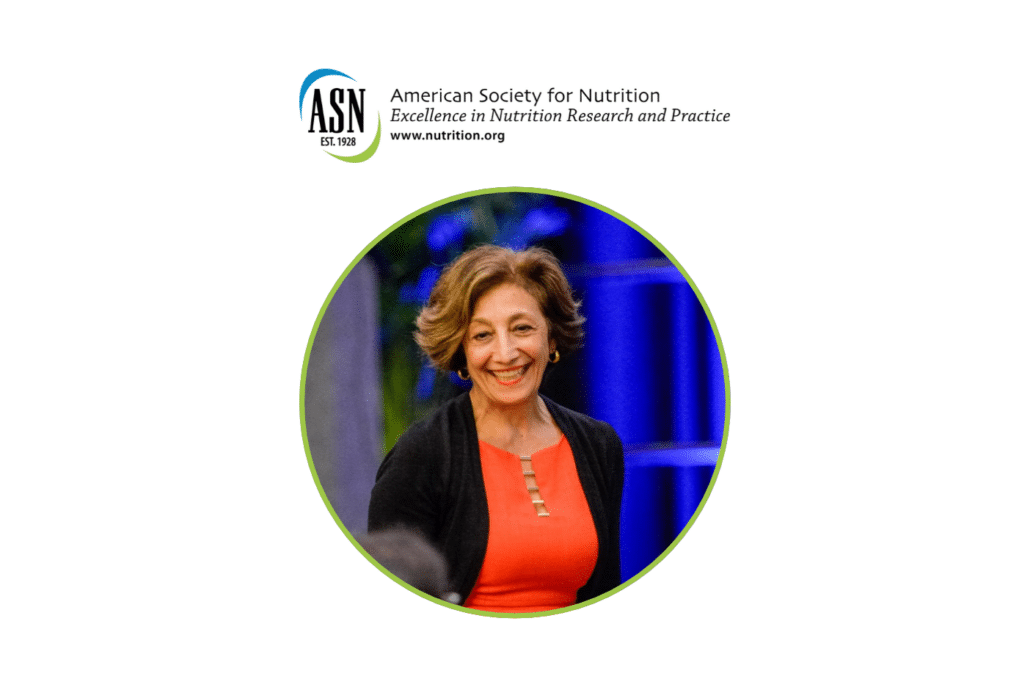
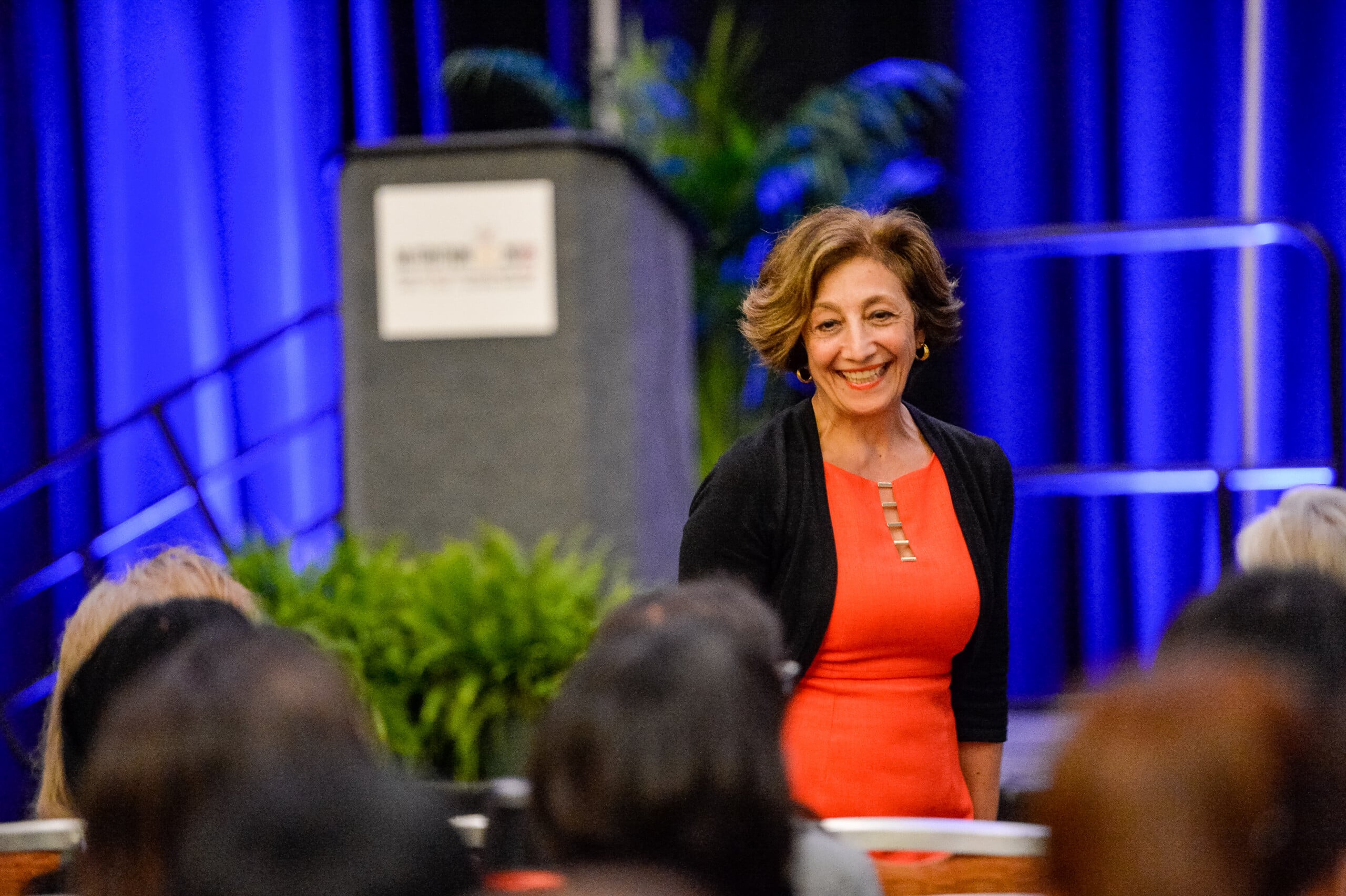
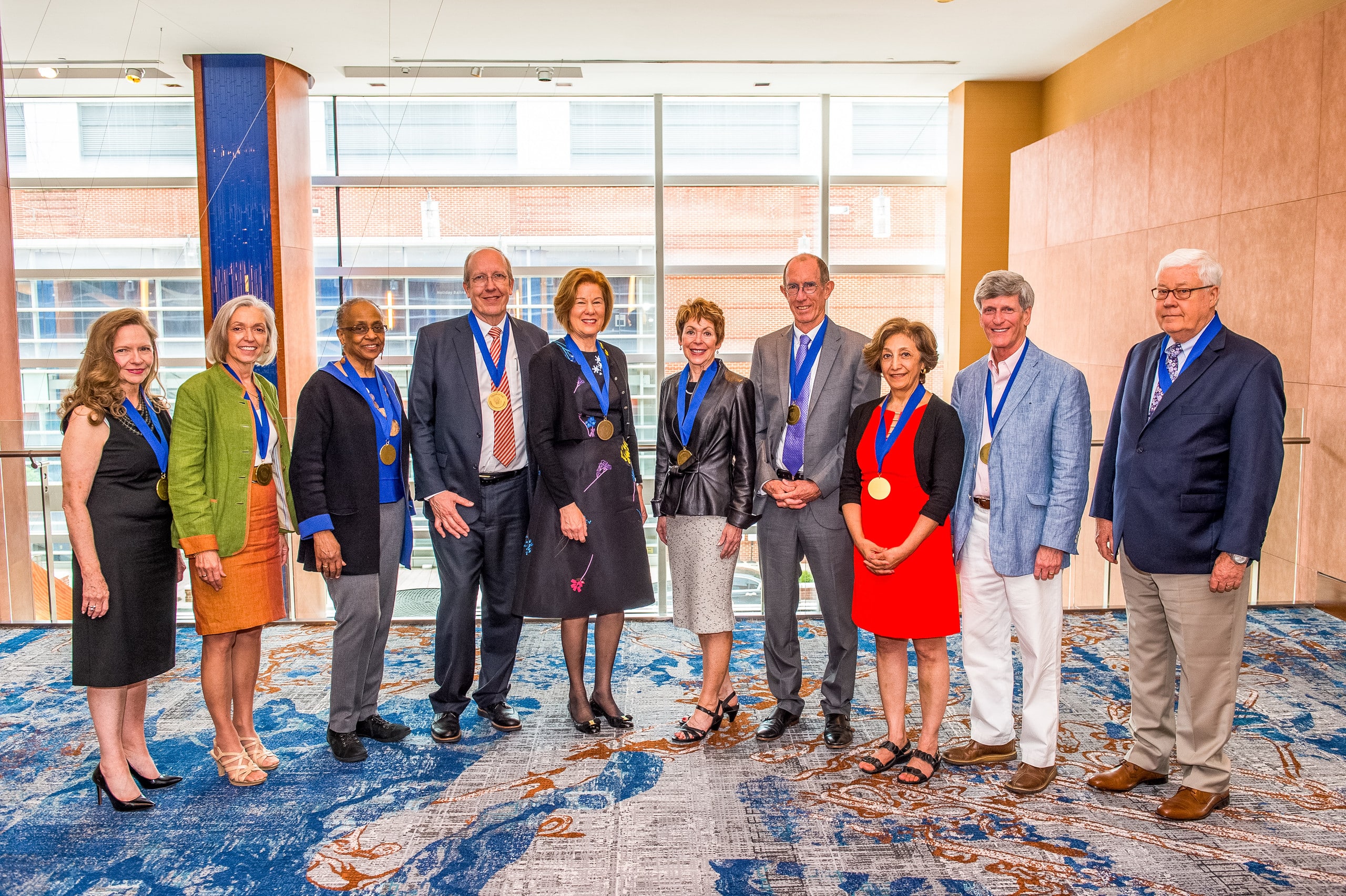
Meet Dr. Simin Meydani, ASN Distinguished Fellow, member since 1985, and former ASN President (2014–2015). With decades of leadership and contributions to nutrition science, Dr. Meydani reflects on her career, her commitment to advancing the field, and the importance of translating scientific discoveries into meaningful impact.
A shared commitment to science, education, and improving human health through nutrition has been a cornerstone of Dr. Meydani and her husband Dr. Mohsen Meydani’s careers. This year, they established the Mohsen and Simin Meydani Innovation and Entrepreneurship Award in Nutrition Research and Education, recognizing individuals who advance nutrition science through innovation, entrepreneurship, and the translation of research into practice.
In this conversation, Dr. Meydani shares her perspective on fostering innovation in nutrition research and education, preparing the next generation of nutrition scientists, and why curiosity and a willingness to challenge conventional thinking are essential to moving the field forward.
Sara Genell: Thank you, Dr. Simin Meydani, for taking the time to share your experiences. What first sparked your interest in nutrition science and how has your involvement with ASN influenced your career along the way?
Dr. Simin Meydani: My interest in nutrition science grew out of my fascination with biochemistry. As I was considering which field to pursue after veterinary school, my biochemistry professor suggested that, given my interests, I should consider nutrition. Following his advice, I enrolled in a master’s program in nutrition at Colorado State University, where I had the privilege of working with two pioneers in the field, Drs. DuPont and Mathias. Their research focused on the relationship between nutrition and prostaglandins, a relatively newly discovered group of biologically active compounds involved in a wide range of physiological processes, including immune function.
This experience, combined with my background in veterinary medicine, sparked my interest in understanding how nutrients influence the immune system and, in turn, our susceptibility to infections and chronic diseases, particularly as we age.
ASN has been an important part of my professional life for decades. It has provided a scientific home where I could exchange ideas, establish collaborations, learn from colleagues across disciplines, and contribute to advancing nutrition science. Equally important have been the friendships and professional relationships developed over the years. For both Mohsen and me, ASN has been much more than a professional organization; it has been a community that has enriched our scientific and personal lives.
Genell: Your interest in nutrition science has been influenced by some important developments in the field. When you reflect on the past century of nutrition science, what moment, milestone, or individual has had a lasting influence on the direction of the field, and how has that influenced your own work?
Dr. Meydani: One of the most transformative developments in nutrition science has been the evolution of the field from identifying essential nutrients and preventing deficiency diseases to understanding the broader role of nutrition in regulating physiological functions, preventing chronic diseases, and promoting health throughout life.
For me personally, two scientific developments were particularly influential. The first was reading Nevin Scrimshaw’s work on the relationship between nutrition and immune function, particularly the bidirectional relationship between nutrition, immunity, and infection. The recognition that malnutrition could impair immune defenses and increase susceptibility to infection, while infections could further worsen nutritional status, profoundly influenced my thinking about the role of nutrition in health and disease.
The second was the discovery of prostaglandins and the subsequent recognition that dietary fatty acids and other nutrients could influence their synthesis and regulation. This opened my eyes to the possibility that nutrients could modulate important physiological processes, including immune and inflammatory responses, well beyond their traditional roles in preventing deficiencies.
These insights were instrumental in shaping my research career in nutritional immunology, particularly my interest in understanding how nutrition influences immune function, susceptibility to infection, and healthy aging.
Looking ahead, I believe the next major chapter in nutrition science will be defined by our ability to translate our increasingly sophisticated understanding of nutrition and biology into effective, practical strategies that improve human health and quality of life worldwide.
Genell: This idea of translating scientific discoveries into meaningful outcomes is central to the award you and your husband, Dr. Mohsen Meydani, established. What inspired you to establish this award, and what did you hope it would recognize that might otherwise go unrecognized?
Dr. Meydani: Throughout our careers, Mohsen and I have witnessed remarkable advances in nutrition science, but also the challenges of translating scientific discoveries into practical solutions that improve people’s lives.
Academic recognition has traditionally focused on publications, research funding, and scientific discoveries. While these are essential measures of achievement, we believe that innovative approaches to research and education, and efforts to translate scientific knowledge into products, programs, policies, or practices that benefit society, deserve greater recognition.
We established this award to celebrate individuals who think beyond conventional boundaries, take thoughtful risks, and find creative ways to turn scientific knowledge into meaningful impact. We hope it will help broaden our definition of scientific success.
Genell: This award also reflects a shared commitment between you and Mohsen to scientific excellence. What does establishing this award together mean to you?
Dr. Meydani: Mohsen and I share not only our lives, but also a deep commitment to science, education, and improving human health through nutrition. Although our research has focused on different aspects of nutrition and health, we have always shared the belief that good science should serve society.
Throughout our careers, we have supported each other personally and professionally, and our collaborations on numerous research projects have enriched each other’s work. Establishing this award together is especially meaningful because it reflects our lifelong partnership and shared commitment to advancing nutrition science.
It is also a way of celebrating the values that have guided our lives together: intellectual curiosity, scientific integrity, perseverance, and a commitment to making a difference. We hope the award will continue to reflect those values and inspire future generations of scientists.
Genell: Why do you think it is especially important to recognize innovation and entrepreneurship in nutrition research and education, particularly efforts that translate scientific discoveries into real-world impact?
Dr. Meydani: Scientific discoveries are the foundation of progress, but their ultimate value lies in how they improve people’s lives. Nutrition science has tremendous potential to prevent disease, promote healthy aging, and improve quality of life. Yet, too often, important findings remain in academic publications without being translated into practical solutions.
Innovation and entrepreneurship can help bridge this gap. Entrepreneurship is not limited to starting a company or commercializing a product; it also includes developing innovative approaches to education, public health programs, and policies that put scientific knowledge into practice.
My own experience translating years of nutrition research into a food product has given me a greater appreciation of the challenges and opportunities involved. It requires not only sound science but also creativity, persistence, collaboration, and a willingness to take risks.
By recognizing these efforts, we hope to encourage a culture in which scientific excellence and real-world impact are equally valued, while emphasizing that meaningful innovation must always be grounded in rigorous science, particularly in nutrition, where unsupported health claims are all too common.
Genell: Looking ahead, where do you see the greatest opportunities for innovation in nutrition science and education over the next decade?
I see several exciting opportunities. One is the development of more personalized approaches to nutrition that recognize the tremendous variability in how individuals respond to dietary interventions. Advances in our understanding of genetics, metabolism, the microbiome, immune function, and aging, combined with emerging technologies, will allow us to move beyond one-size-fits-all recommendations.
Another major opportunity lies in translating our growing knowledge of nutrition and health into practical, affordable, and accessible solutions that help prevent chronic diseases and promote healthy aging. We already know a great deal about the importance of good nutrition, but knowledge alone has not been sufficient to change dietary behaviors or improve population health.
I also believe we need innovation in how we educate the next generation of nutrition scientists. In addition to rigorous scientific training, students should have opportunities to develop skills in entrepreneurship, communication, interdisciplinary collaboration, and translating research into practice.
Finally, I hope we will place greater emphasis on developing solutions that are not only scientifically sound but also scalable, affordable, and accessible to the populations that need them most.
Genell: With all those exciting opportunities for innovation in mind, what do you hope this award will inspire among ASN members and future generations of nutrition scientists?
Dr. Meydani: I hope this award will inspire nutrition scientists, particularly younger generations, to think boldly, challenge conventional approaches, and recognize that their work can have an impact far beyond the laboratory or classroom.
I also hope it will encourage academic institutions and the scientific community to recognize innovation, entrepreneurship, and societal impact as important dimensions of scientific achievement.
Above all, I hope it inspires scientists to ask not only, “What can we discover?” but also, “How can we use what we discover to make people’s lives better?”
Genell: Finally, what advice would you offer to nutrition professionals who are interested in pursuing innovative approaches to research or finding ways to translate their work into practice?
Dr. Meydani: My first piece of advice would be to remain curious and not be afraid to challenge conventional thinking. Some of the most important advances come from asking questions that others have overlooked or approaching familiar problems from a different perspective.
Second, build your ideas on a strong scientific foundation. Innovation without sound science is unlikely to produce lasting benefits, particularly in nutrition, where consumers are frequently exposed to claims that are not adequately supported by evidence.
Third, seek collaborations beyond your own discipline. Translating research into practice often requires expertise in areas such as engineering, business, behavioral science, communication, and public policy.
Finally, be prepared for setbacks and be persistent. I have learned through my own experience that translating scientific discoveries into solutions that benefit society is often more complicated and takes longer than anticipated. But it could also be enormously rewarding.
I would encourage scientists not to let the fear of failure prevent them from pursuing ideas they believe can make a difference.