
The nutrition community is made up of individuals with diverse experiences, perspectives, and ideas. This diversity is the fundamental strength of our professional society. Through this member spotlight series, we celebrate our diversity and the vast achievements made by our members in the field.
Meet ASN Student Member, Joshua Miller, who serves as the student representative for the Global Nutrition Council. Learn more about Miller’s path to his current research interest, praise for his mentors and advice for new ASN members in a conversation with ASN’s Member Engagement Coordinator, Sara Genell.
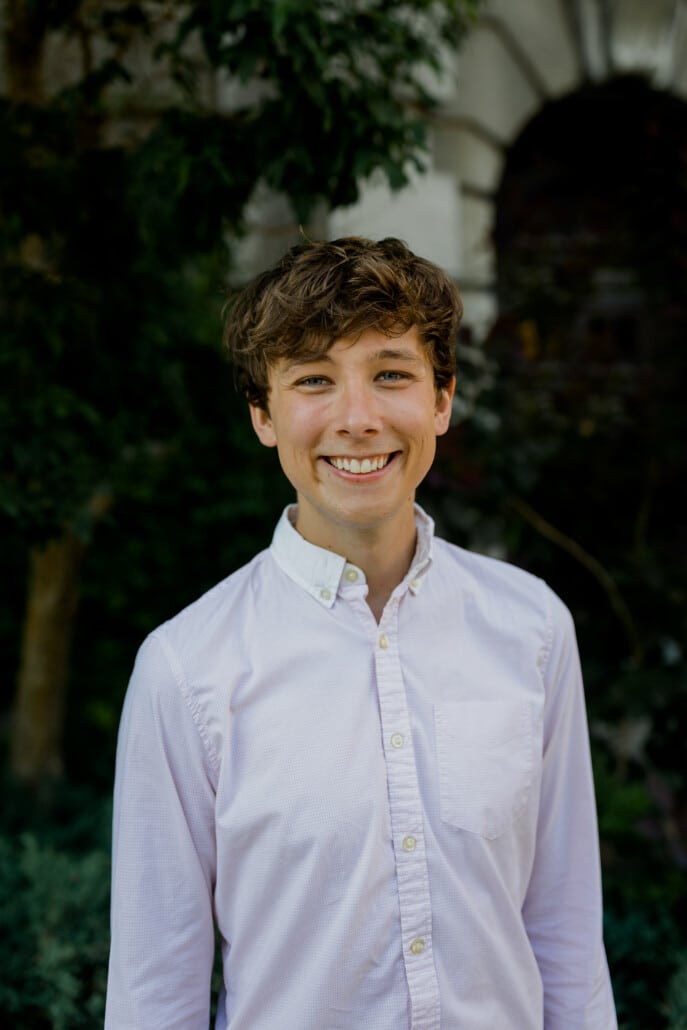
Sara Genell: Thank you, Josh, for participating in this Member Spotlight Interview. For those who have not yet met you, please introduce yourself and share what sparked your interest in nutrition science.
Joshua Miller: My path into nutrition science began in high school, when I first read Eating Animals by Jonathan Safran Foer. The book’s examination of how the modern food system impacts human health and environmental well-being prompted me to critically reflect on my own dietary choices, including not just what I eat, but why. Around the same time, I participated in an immersive program shadowing physicians, where I observed the critical, yet often under-appreciated, role of diet in shaping health outcomes. In the following years, I started my undergraduate studies at Cornell University, determined to pursue a career in medicine. My trajectory changed, however, after taking an introductory population health course taught by Dr. Julie Carmalt. The class examined upstream determinants of health inequities and the potential to improve access to healthy foods through policy change. It was a transformative experience that inspired me to focus my career on understanding and addressing structural barriers to good nutrition through research and advocacy.
“ASN is strongest when it brings together diverse voices from individuals at all career stages. Getting involved early with this supportive community can help accelerate your professional growth and the advancement of the field.”
Genell: Thank you for sharing how you became inspired to pursue nutrition science. What is the primary focus of your current research?
Miller: My current research focuses on how water insecurity – the inability to reliably access safe and sufficient water – contributes to health disparities by influencing diet, health behaviors, and psychosocial well-being. I take a biosocial approach, integrating biological and social data to explore how external stressors “get under the skin” to impact health outcomes.
Genell: Have you made any observations in your work that have surprised you or shifted your perspective?
Miller: An unexpected but pivotal observation emerged early in my career while analyzing qualitative interviews with caregivers in western Kenya. Many participants identified issues with water scarcity and quality as significant barriers to achieving healthy diets. Although the connections between water and food security seem obvious in hindsight, this realization was revelatory to me at the time. This finding challenged my limited conceptualization of water solely as a vector for infectious disease and catalyzed my current work, which examines how water insecurity affects dietary decision-making, increasing the risk of both undernutrition and diet-related chronic diseases.
A particularly exciting outcome of this work has been the development and widespread uptake of the Water Insecurity Experiences (WISE) Scales. These tools are now integrated into national monitoring systems and have been recommended for generating gender-specific Sustainable Development Goal indicators. By capturing previously overlooked dimensions of water insecurity, the WISE Scales are enabling organizations to design more targeted and effective interventions.
Genell: ASN disseminates nutrition science and translates it for various audiences. How do you approach translating complex nutrition science into advice that is practical and accessible for the public?
Miller: I care deeply about making my research accessible to diverse audiences. One way I do this is by creating tailored summary reports for participants, local officials, and policymakers. These brief reports use approachable language and easy-to-interpret infographics to help communicate key findings. I’ve also collaborated with NGOs like Oxfam and Helvetas to make sure my research has real-world impact. For example, I’ve worked with implementing partners to identify ways to improve ongoing projects based on data we’ve collected and analyzed together. Additionally, I work with media professionals at my institution to share research findings through popular press outlets, which have a much broader readership than academic journals. Another top priority is ensuring that my publications are open access – important, publicly funded research shouldn’t be hidden behind a paywall.
Genell: Switching gears now, is there a particular researcher or mentor in nutrition who has inspired your approach to the field?
Miller: Dr. Sera Young has been an extraordinary mentor and a constant source of inspiration throughout my career. Over the past decade, we’ve worked on numerous projects together. What stands out the most is her incredible ability to foster collaboration, connecting researchers, practitioners, and community leaders across disciplines and borders to address meaningful public health issues. Beyond her commitment to scientific rigor, Dr. Young emphasizes the importance of ethical engagement, clear communication, and taking time to rest and celebrate wins throughout the often-challenging research process. These values have profoundly influenced how I approach research and mentorship.
Through the American Society for Nutrition, I’ve also had the privilege of connecting with leaders in global nutrition, including Drs. Daniel Hoffman, Debbie Humphries, and Sheela Sinharoy. Their dedication to advancing global nutrition while mentoring early-career researchers has left a lasting impression on me and many others, exemplifying the impact of supportive leadership in the field.
Genell: I want to discuss your involvement in ASN. What led you to volunteer to serve as a student representative for the Global Nutrition Council?
Miller: I joined the Global Nutrition Council to amplify the voices of early-career professionals. In this role, I’ve had the opportunity to contribute to discussions about how ASN can grow and expand its efforts to support the needs of students. I’ve also gained valuable insights into the inner workings of ASN, such as how abstracts are reviewed and conference sessions programmed.
Genell: What advice would you give to new members looking to get involved in ASN?
Miller: Early engagement with ASN is invaluable for students and early career researchers. ASN offers the chance to connect with thought leaders in the field, who can provide valuable mentorship and connection to professional development resources. My advice for new members is simple: don’t hesitate to get involved. Explore the different councils, connect with current ASN members, and seek opportunities that align with your interests. As burgeoning researchers, we often feel that we lack the requisite qualifications or experiences to have our ideas count – but that isn’t the case. Your perspectives and insights matter. ASN is strongest when it brings together diverse voices from individuals at all career stages. Getting involved early with this supportive community can help accelerate your professional growth and the advancement of the field.