
Kathy Beerman, PhD
Dr. Kathy Beerman teaches in the School of Biological Sciences at Washington State University. The author of several published articles, she is interested in research that focuses on the efficacy of a novel approach to treating iron deficiency anemia in rural regions of Guatemala and Ecuador. Dr. Beerman teaches an undergraduate nutrition course for health majors, as well as a course that prepares students to participate in a 10-day medical mission to Guatemala. Since joining the faculty at Washington State University in 1990, she has been the recipient of several teaching awards (the Burlington Northern Faculty Meritorious Achievement in Teaching Award, the R.M. Wade Foundation Award for Excellence in Teaching, and the Sahlin Faculty Excellence Award for Instruction). More recently, she received the CAS Outstanding Achievement Award in International Activities (2017) and the President’s Award for Leadership (2018). Other scholarly activities include co-author of two introductory nutrition textbooks (Nutritional Sciences: From Fundamentals to Food and NUTR).
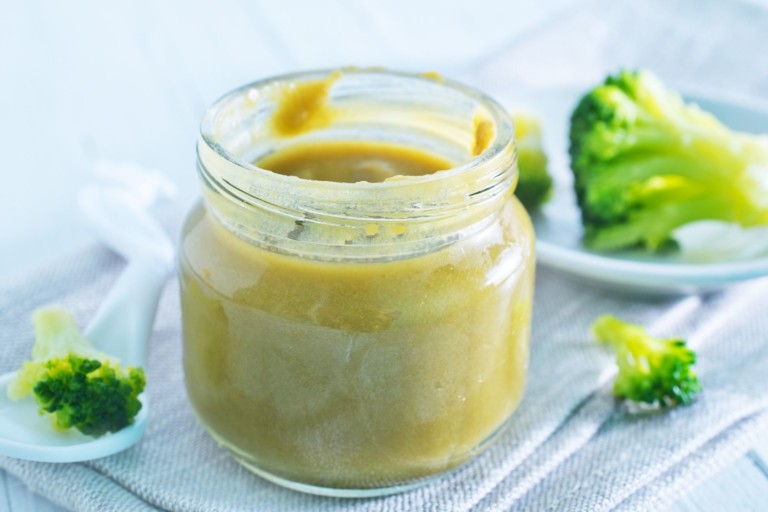
Updated WIC food packages are associated with improvements in the diets and health of low-income, vulnerable infants and young children
In 2009 the USDA’s Special Supplemental Nutrition Program for Women, Infants, and Children (WIC), which promotes the health and nutrition
Read More
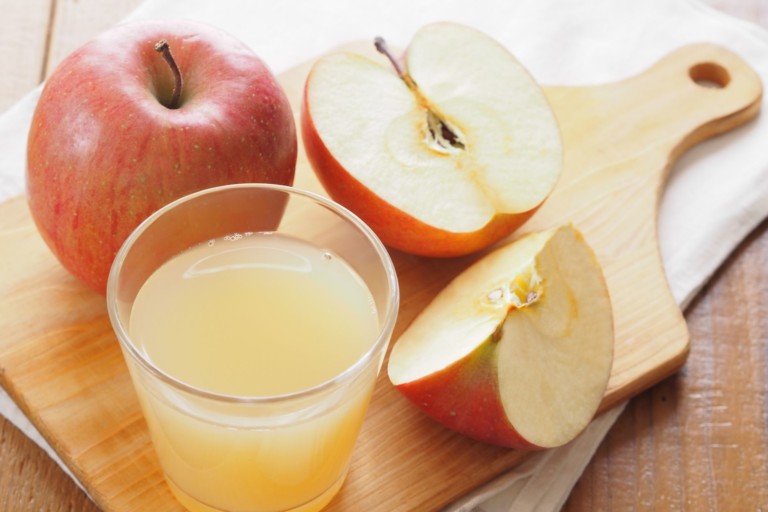
Food attributes: Why some foods may be better than others for satisfying hunger
Studies have shown that satiety-promoting foods, those that prolong digestion and reduce appetite, may facilitate weight loss by helping to
Read More
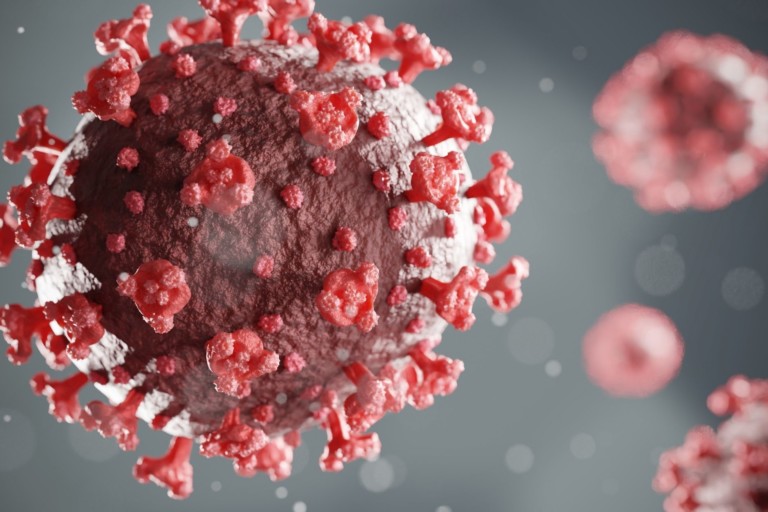
COVID-19: Disruptions in food security and the potential impacts on migration
Food insecurity is an increasing concern around the world. Together, the coronavirus disease 2019 (COVID-19) pandemic and the global recession
Read More
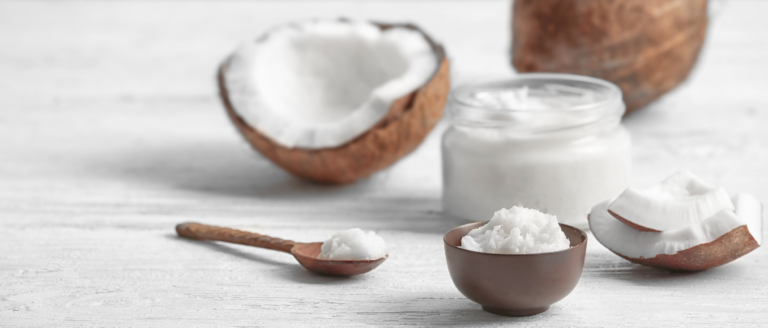
Limiting myristic acid-rich foods: A novel dietary approach to lowering cardiovascular disease risk
The primary function of lipoproteins is to transport lipids in the blood. While there are several classes of lipoproteins, some
Read More
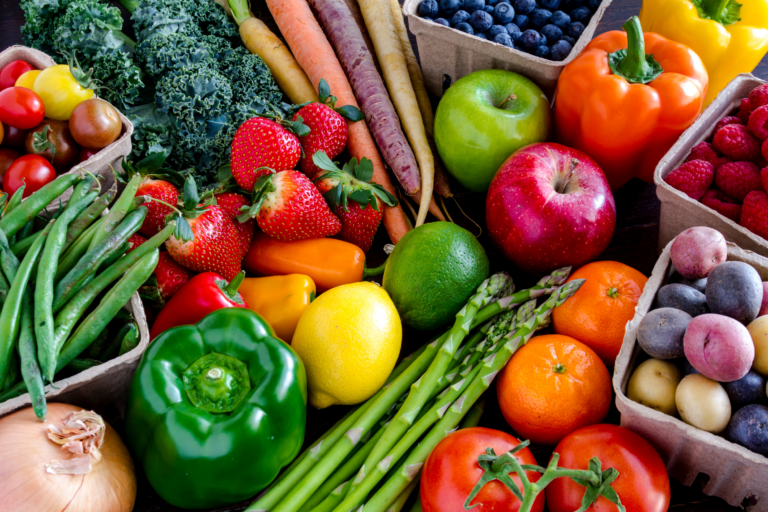
Dietary Vitamin C may help reduce age-related muscle loss
Age-related skeletal muscle loss and function, known as sarcopenia, can lead to frailty and loss of mobility among older adults.
Read More

Does vitamin D status affect COVID-19 severity and mortality?
Important health-related benefits associated with vitamin D have long been recognized. In addition to bone health, vitamin D has a
Read More

A simple dietary modification may help reduce liver disease in obese children
Nonalcoholic fatty liver disease, characterized by abnormal accumulation of fat within the liver, is associated with childhood obesity. Nonalcoholic fatty
Read More

Researchers report an alternative to anti-inflammatory drugs to lessen lower back and knee pain
Low-back pain and knee pain are major health issues in adults. Although anti-inflammatory drugs may offer temporary relief, gastrointestinal side
Read More
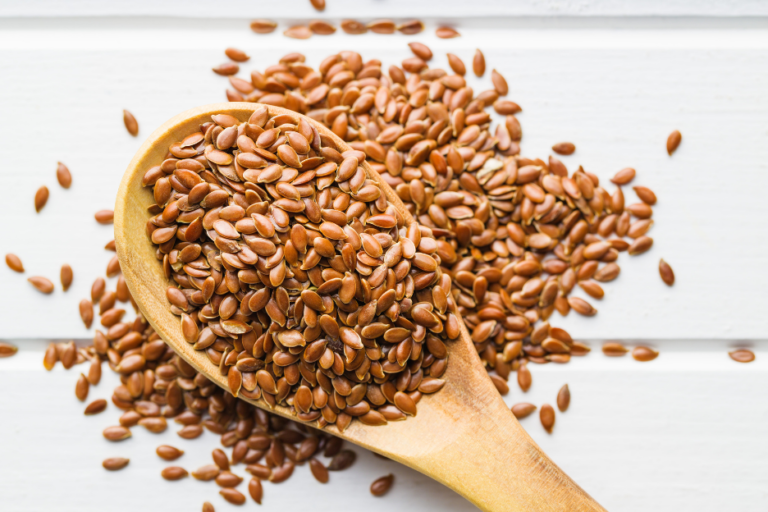
Can flaxseed provide protection against cardiotoxic side effects associated with anticancer drugs?
According to a new study, flaxseed may play a protective role against the cardiotoxic side effects associated with drugs used
Read More