
The ASN Science Policy Fellowship is offered to advanced graduate students, early professionals, postdoctoral trainees, or medical interns, residents, or fellows. The intent of the Fellowship is to allow for an expanded understanding of current nutrition policy issues and initiatives. The Fellowship provides recipients with the opportunity to gain an enhanced perspective on public policy issues related to nutrition and facilitates the acquisition of skills and tools necessary to become well-informed advocates for nutrition research and policy.
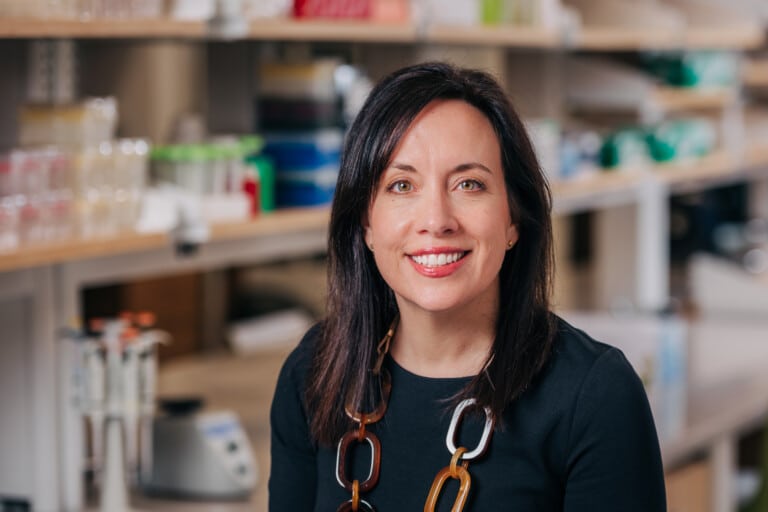
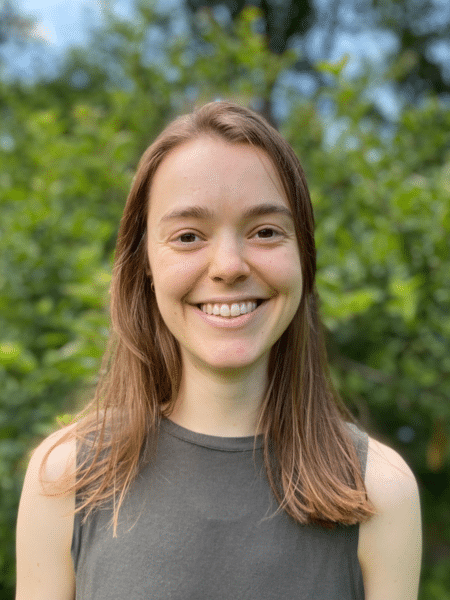
Hope Craig, is one of two current fellows. She is a PhD Student at Tufts University Friedman School of Nutrition Science and Policy. She has been a member of ASN since 2019. Read our full interview below.
How did you first get involved in nutrition science and research? What led you to be interested in nutrition policy?
I first became involved as an undergraduate when I supported a literature review for a doctoral student’s dissertation on maternal and child nutrition interventions. Working with the research team and reading and coding papers got me really interested in nutrition as a means of supporting global health. I sought more hands-on opportunities, including fieldwork in rural India and later in the U.S. and Kenya, and saw how deeply food choices are affected by ‘upstream’ decisions and phenomena – things like agriculture and trade policy, climate, labor conditions and wages, healthcare access, food regulations and marketing, and social and cultural norms. The experiences solidified my interest in the intersection of nutrition research and policy, recognizing that scientific evidence alone wasn’t always enough to move the needle on nutrition outcomes. Equally important is understanding policy pathways and centering the lived experiences of the communities they aim to serve. Since then, I’ve become more interested in bridging research and practice, working to ground nutrition interventions in scientific evidence, lived experiences, and policy contexts.
Tell us about your current position and the research activities in which you are involved.
I’m currently a doctoral student at Tufts Friedman School of Nutrition Science and Policy. With the Tufts Food is Medicine Institute, I’m working on analyses of a brief nutrition security screener with Dr. Dariush Mozaffarian. Recognizing the importance of valid measurement, this work aims to complement measures of food security (consistent access to enough food) with measures of nutrition security (consistent access to foods that promote health and well-being). I also support work with the Healthy Diets Monitoring Initiative with Dr. Jennifer Coates, where I’ve screened and reviewed studies on diet quality metrics for children and adolescents. This work seeks to inform the development of metrics of healthy diets for children that can used for global monitoring, ultimately guiding the design of policies and interventions to address nutritional gaps in this age group.
What do you feel are the biggest challenges facing nutrition researchers today?
There are so many evolving and complicated challenges in nutrition research, which make it all the more interesting to study. A prominent and disheartening challenge today, though, is growing distrust in science and research institutions more broadly. Public trust and political support for scientific research are essential for advancing sound policies, ones that give all people a full and fair chance at a long and healthy life. Yet, misinformation, cynicism, and political divisions can make it difficult to build consensus, especially in nutrition, in which we rely on interdisciplinary expertise across health, economics, agriculture, and environmental science to address complex issues that affect our food systems. Erosion of trust or funding in one area weakens the foundation of evidence that we depend on, ultimately impacting the ability to develop the most informed and effective policies and interventions. Students and researchers are navigating an especially tumultuous time now, facing uncertainty around funding stability and sources. Ensuring that research is both scientifically rigorous and effectively communicated to policymakers and the public is more important than ever, and I think becoming increasingly complex in today’s landscape.
What influenced your decision to apply to the ASN Science Policy Fellowship program? How do you see yourself benefitting from this position?
I applied because I’m interested in strengthening my ability connect research and policy. Generating evidence is just one piece of the puzzle—understanding how to translate that evidence into effective policy is just as important. This fellowship offers a unique opportunity for firsthand experience in the policy process, engagement with stakeholders, and seeing how scientific findings inform decision-making at the national, state, and local levels. I see this as a chance to build my policy perspective, develop communication skills for different audiences, and better understand how to navigate the intersection of research and policy to drive meaningful progress in nutrition and public health.
What aspects of ASN membership have you found most useful professionally?
I appreciate the conferences and community as well as access to research and policy updates. Attending conferences has helped me stay up to date on the latest research, connect with experts across different areas of nutrition, and get feedback on my own work. It’s also been a great way to build relationships with peers and mentors who share similar interests. I’ve also appreciated ASN’s newsletters, which help me stay informed on new research, policy developments, and discussions in the field.
Is there anything else you’d like to tell ASN members, especially students?
What I’ve found most helpful and rewarding as a student is building community and staying curious – both of which keep me engaged and motivated. Asking questions, having thoughtful conversations, and working toward shared understanding have made a big difference in my learning and growth. At times, the shifting political landscape and challenges in academia can feel overwhelming, but connecting with others who share similar interests and concerns has been a grounding and meaningful part of the experience.