The ASN Science Policy Fellowship is offered to advanced graduate students, early professionals, postdoctoral trainees, or medical interns, residents, or fellows. The intent of the Fellowship is to allow for an expanded understanding of current nutrition policy issues and initiatives. The Fellowship provides recipients with the opportunity to gain an enhanced perspective on public policy issues related to nutrition and facilitates the acquisition of skills and tools necessary to become well-informed advocates for nutrition research and policy.
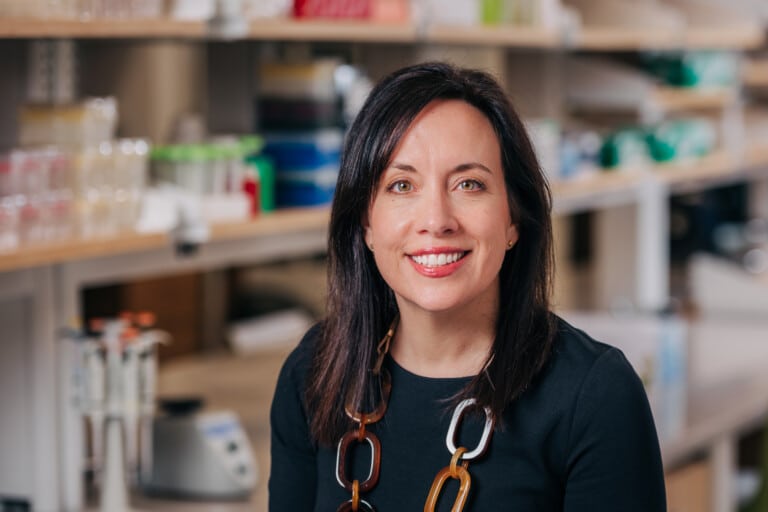
Erin Hudson, is one of two current fellows. She is a Doctoral Candidate in Nutritional Sciences in the Burgermaster Lab and Davis Lab at The University of Texas at Austin. Read our full interview below.

How did you first get involved in nutrition science and research? What led you to be interested in nutrition policy?
My interest in nutrition started when I got into endurance sports while living in the Rio Grande Valley, a region with high rates of type 2 diabetes, obesity, and poverty. I started noticing that the foods and drinks I was using to fuel long rides were the same ones filling many people’s grocery carts. That experience stayed with me and eventually led me to go back to school to better understand the relationship between diet and metabolic health.
As I moved into nutrition research, I became especially interested in ultra-processed foods and metabolic risk across the life course. But I quickly realized that generating evidence is only part of the solution. Food choices are shaped by food systems, marketing, and the broader food environment, which are all influenced by policy. That is what led me toward nutrition policy, which feels like a natural combination of my legal and nutrition training.
Tell us about your current position and the research activities in which you are involved.
I am a PhD candidate in Nutritional Sciences at The University of Texas at Austin, and my dissertation focuses on how ultra-processed dietary patterns contribute to cardiometabolic disease. Broadly, my work looks at both mechanisms and determinants of diet related risk, especially in mothers and children. My recent policy-oriented research includes leading an audit of toddler foods in grocery stores across Austin, Texas to document the prevalence of ultra-processed products, front-of-pack claims, and the nutritional quality of toddler foods across neighborhoods. I am currently preparing that manuscript.
What do you feel are the biggest challenges facing nutrition researchers today?
One major challenge is translating strong evidence into policies and systems that actually change what people can buy and consume. We can produce high quality research, but if the food environment and commercial pressures remain the same, it is difficult for that evidence to produce population-level impact. We need people who can effectively bridge nutrition science, public health, and policy to make system-level changes.
Another challenge is the noise. Nutrition science has become politicized, co-opted by industry interests, and overrun by wellness influencers and self-proclaimed experts. As a result, many people have developed entrenched beliefs about diet that rest on shaky evidence. Actual nutrition science (like any science) has nuance that is often drowned out by industry and influencer messaging.
What influenced your decision to apply to the ASN Science Policy Fellowship program? How do you see yourself benefiting from this position?
I applied because I am intentionally building a career that combines research and policy. Over the past year, I have moved more directly into policy-facing work, including a toddler food project designed to inform future regulation, bill tracking through the Texas Research-to-Policy Collaboration at UTHealth, organizing a policy-focused symposium at ISBNPA, and submitting a comment to FDA’s RFI on ultra-processed foods. The ASN Science Policy Fellowship felt like the right next step to build that momentum in a more structured way.
As an ASN Policy Fellow, I will benefit from the practical training in how federal nutrition science policy is developed and how advocacy is done effectively. I am also excited about the mentorship and the opportunity to build a network of scientists who are also committed to policy translation.
What aspects of ASN membership have you found most useful professionally?
ASN has been especially valuable for professional community and visibility. It has given me opportunities to present my work, stay connected to current nutrition science, and build relationships with researchers across disciplines and career stages. I have also found ASN useful because it creates pathways beyond traditional academic research training. The Science Policy Fellowship is a good example of that. It supports scientists who want to engage with policy and public impact, which is a major part of how I see my career developing.
Is there anything else you’d like to tell ASN members, especially students?
I would tell students that your path does not have to be linear, and it is never too late to change direction. I had a previous career as a lawyer and pivoted to go back to school to get a PhD in nutritional sciences. My legal training provided many transferable skills, including creative problem solving and communicating complex information. The circuitous path to get here has strengthened my ability to do quality research and set me up to do effective policy work.