The ASN Science Policy Fellowship is offered to advanced graduate students, early professionals, postdoctoral trainees, or medical interns, residents, or fellows. The intent of the Fellowship is to allow for an expanded understanding of current nutrition policy issues and initiatives. The Fellowship provides recipients with the opportunity to gain an enhanced perspective on public policy issues related to nutrition and facilitates the acquisition of skills and tools necessary to become well-informed advocates for nutrition research and policy.
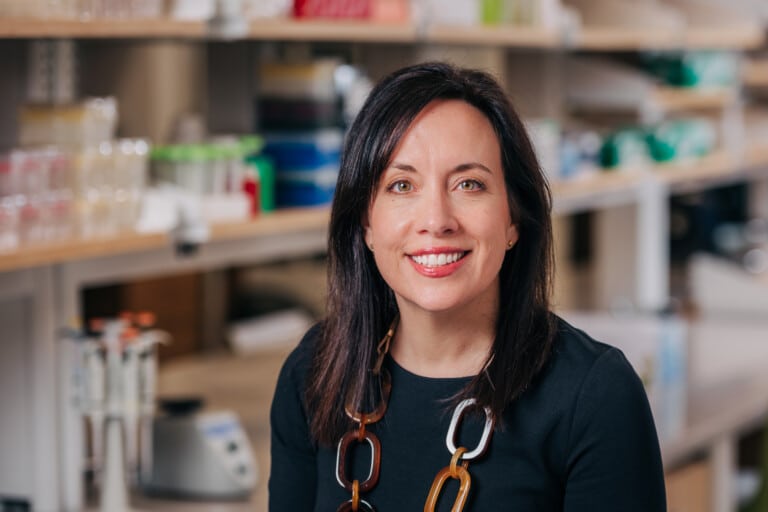
Amelia Sullivan, is one of two current fellows. She is a Graduate Research Assistant and Doctoral Candidate in the Nutrition Education and Eating Decision Lab at the University of Maine. Read our full interview below.

How did you first get involved in nutrition science and research? What led you to be interested in nutrition policy?
My pathway into nutrition science and research began early in my undergraduate studies at the University of Maine. As a freshman, my first job was cleaning the university’s commercial research kitchen and pilot plant. That role unexpectedly opened doors. It allowed me to build relationships with faculty early on and join a food science research lab as a sophomore, where I contributed to product development research evaluating the inclusion of aronia berries in consumer foods.
During my junior year, I had the opportunity to transition into the Nutrition Education and Eating Decisions research lab, a pivotal experience that shaped the trajectory of my career. Since then, I have contributed to the design, implementation, and evaluation of several evidence-based nutrition education programs serving diverse communities. Through this work, I became increasingly interested not only in individual dietary behaviors but also in the broader systems that influence food access and health outcomes.
Growing up in one of the most rural states in the country further shaped this interest. I’ve witnessed firsthand how structural barriers limit access to nutritious foods. Over time, it became clear that many of these barriers are driven less by individual choice and more by policy environments that shape food access. This recognition solidified my interest in nutrition policy and my desire to advance systems-level strategies that improve nutrition security.
Tell us about your current position and the research activities in which you are involved.
I am a Registered Dietitian and PhD Candidate in Food and Nutrition Sciences at the University of Maine, where my research focuses on community-engaged strategies to strengthen nutrition security. I have been a research assistant and lab manager in the Nutrition Education and Eating Decisions Lab since 2020, and a research assistant with the University of Maine Cooperative Extension since 2023.
As a research assistant in the Nutrition Education and Eating Decisions lab, I have contributed to the design and evaluation of several evidence-based nutrition education programs that operate at the intersection of research, practice, and community partnerships. I have contributed to projects spanning school food systems, farm-to-school programming, college student health, and maternal nutrition.
My doctoral dissertation has focused on the design, implementation, and evaluation of HEALTHY (Helping Early Adolescents Live Their Healthiest Youth), a theory-driven school-based nutrition education program grounded in the delivery of frozen-fruit smoothies. This work examines scalable approaches to strengthen nutrition security while aligning with national policy priorities for child nutrition and school food environments.
Throughout my work with Cooperative Extension, I have supported the development of EFNEP quality improvement tools and educational resources informed by the Individual plus Policy, Systems, and Environmental framework, adolescent food literacy programming, and community engagement interventions.
What do you feel are the biggest challenges facing nutrition researchers today?
One of the most pressing challenges facing nutrition researchers is advancing nutrition security. While food insecurity remains a critical national concern, nutrition security expands that conversation to emphasize consistent access to nutritious, safe, affordable, and culturally relevant foods that support long-term health.
Addressing this challenge requires stronger integration across research, practice, and policy. Progress will depend on the continued design of theory-informed programs, the generation of actionable data, and the communication of findings in ways that meaningfully inform policy decisions. Additionally, strengthening partnerships among researchers, schools, healthcare systems, local agriculture, and community organizations will be essential to building resilient and nutritionally secure food systems.
What influenced your decision to apply to the ASN Science Policy Fellowship program? How do you see yourself benefitting from this position?
My doctoral research within school food systems strongly influenced my decision to apply for the ASN Science Policy Fellowship. Through partnerships with school nutrition directors operating under the National School Lunch Program, I have observed how reimbursement structures, procurement regulations, workforce capacity, and federal guidance directly shape what schools can realistically implement. Even well-designed programs have limited reach when policy environments do not support sustainability.
These experiences highlighted an important area for growth in my training. I am eager to deepen my understanding of how federal nutrition programs are developed, how scientific evidence informs policymaking, and how researchers can effectively engage in the policy process.
I am particularly excited about the fellowship’s mentorship component and the ability to learn from national leaders in nutrition policy. I believe this experience will strengthen my policy literacy and support my long-term goal of integrating policy engagement into an academic research career.
What aspects of ASN membership have you found most useful professionally?
ASN has a special place in my professional journey. NUTRITION 2021 was the first professional conference I attended as a senior undergraduate virtually during the COVID-19 pandemic.
Since then, ASN has provided meaningful opportunities for growth and recognition, including being named as a finalist in the Emerging Leaders in Nutrition Science poster awards competition in 2024. Training at a smaller land-grant institution, I was incredibly honored by the national recognition. ASN creates spaces where trainees are recognized, mentored, and challenged, thereby fostering confidence, professional identity, and leadership among emerging professionals.
Is there anything else you’d like to tell ASN members, especially students?
I encourage students to lean into opportunities that feel intimidating. Professional growth often begins just beyond your comfort zone. Seek mentorship, remain curious, and engage actively with professional organizations such as ASN. Nutrition research and policy are complex, but no one advances this work alone. Our field depends on emerging professionals who are willing to collaborate across disciplines, think critically, and help shape the future of nutrition research.