
The ASN Science Policy Fellowship is offered to advanced graduate students, early professionals, postdoctoral trainees, or medical interns, residents, or fellows. The intent of the Fellowship is to allow for an expanded understanding of current nutrition policy issues and initiatives. The Fellowship provides recipients with the opportunity to gain an enhanced perspective on public policy issues related to nutrition and facilitates the acquisition of skills and tools necessary to become well-informed advocates for nutrition research and policy.
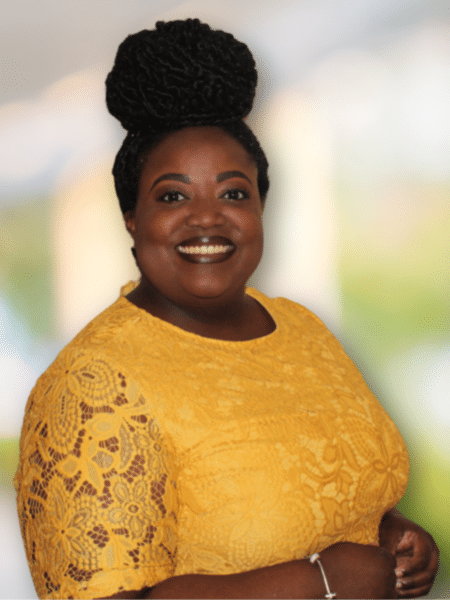
Alana Chaney, is one of two current fellows. She is a PhD Candidate at the University of California, Davis. She has been a member of ASN since 2022. Read our full interview below.
How did you first get involved in nutrition science and research? What led you to be interested in nutrition policy?
I first became interested in nutrition science during graduate school as a master’s student. During this program, I participated in a summer internship at the University of California Davis where I learned more about the different areas of nutrition research and gained a passion for maternal and child nutrition. As a doctoral student, my first nutrition research project focused on policy changes to the WIC program during COVID-19 and how WIC participants and directors perceived those changes. This project solidified my interest in nutrition policy, and I must say it’s incredibly rewarding to see how your research findings can support policies that positively impact individuals’ lives.
Tell us about your current position and the research activities in which you are involved.
I am a 4th year doctoral candidate at the University of California, Davis majoring in Nutrition Biology with a designated emphasis in global and community nutrition. My research interests center around how prenatal nutrition, breastfeeding practices, and early childhood feeding behaviors impact long-term health and development. For my dissertation, I’m investigating individual and community-level factors that contribute to infant nutrition disparities and how strategic interventions can address these inequities. Aside from my dissertation work, I have enjoyed opportunities to work with my primary mentor, Dr. Lauren Au, on various research projects like investigating the impact of the WIC program and studying the relationship between infant diet quality and early childhood nutrition.
What do you feel are the biggest challenges facing nutrition researchers today?
I first want to acknowledge that we are in a time where there are many challenges facing researchers across all fields. One challenge I believe is particularly important to nutrition research is addressing systemic inequities that contribute to nutrition disparities. While there has been more recognition of these disparities in recent years, we cannot lose sight of the need to continue making progress in this space. It will be especially important during this time, for researchers to continually advocate not only for science but also for policies that ensure nutrition equity for all humans.
What influenced your decision to apply to the ASN Science Policy Fellowship program? How do you see yourself benefitting from this position?
Through my research experiences, I have learned the important role policies play in shaping nutrition outcomes. I decided to apply to the ASN policy fellowship to learn more about the policy process and how to effectively communicate research findings to policy stakeholders. As an ASN member, I have had the chance to connect with so many incredible individuals, which gave me the confidence that this program would be the perfect opportunity for me to gain nutrition policy experience. As I prepare to enter the workforce, I hope to explore career opportunities in nutrition policy and benefit from the mentorship aspect of this fellowship to help guide my next steps.
What aspects of ASN membership have you found most useful professionally?
While I think there are several great benefits to ASN members, I’d have to say my favorite would be the annual scientific conference. I have had the opportunity to attend and present at the last 3 conferences, and it’s definitely something that I look forward to every year. I think the conference does a great job of organizing sessions, and in just my short membership I have gained collaborators for research projects, ideas that I was able to incorporate into my dissertation work, and even networking relationships for potential career opportunities!
Is there anything else you’d like to tell ASN members, especially students?
My research journey was unconventional, but it taught me the importance of staying open to different opportunities. A mentor once told me, “Never count yourself out—let someone else do that.” With that, I want to encourage students to apply and take advantage of opportunities, even when you don’t feel fully confident. You never know where an unexpected door might lead you!